Source Natural Golden Pyrite Gemstone for Jewelry, Decoration, Collection
Compare 30 listings of natural golden pyrite gemstone from verified suppliers. Buyers can evaluate prices, sizes, and customization options for jewelry, decoration, and collection purposes.
Key considerations
Products List


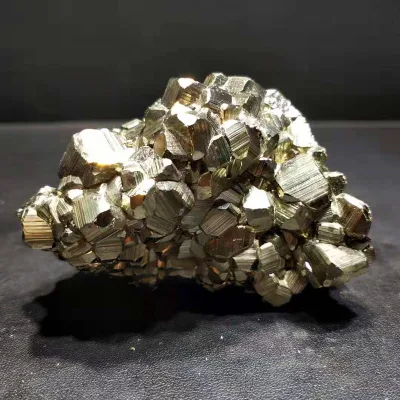
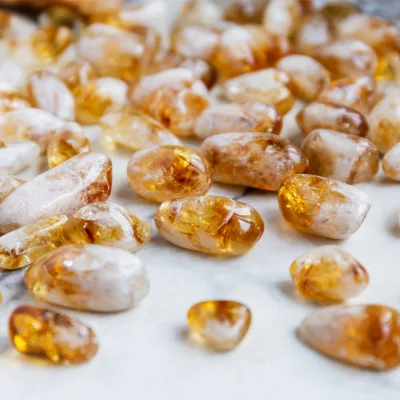
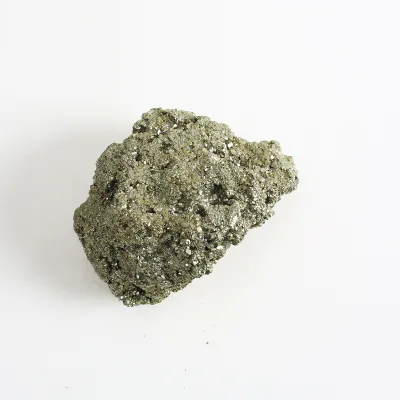
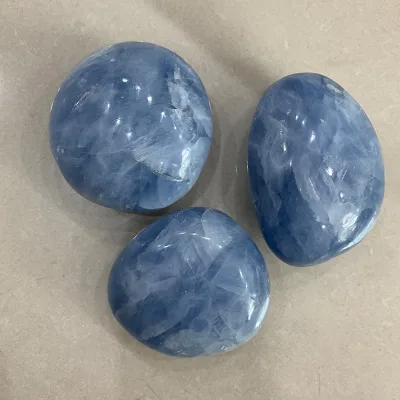
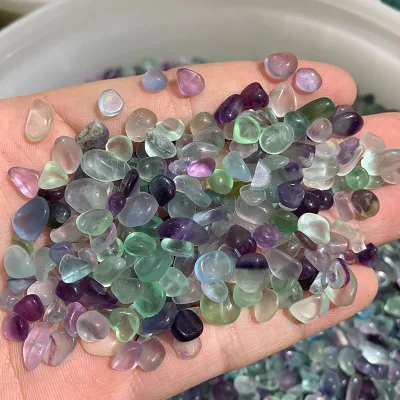
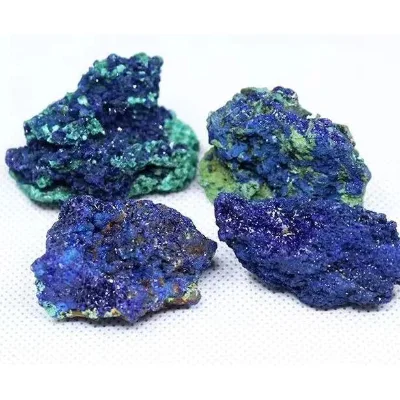
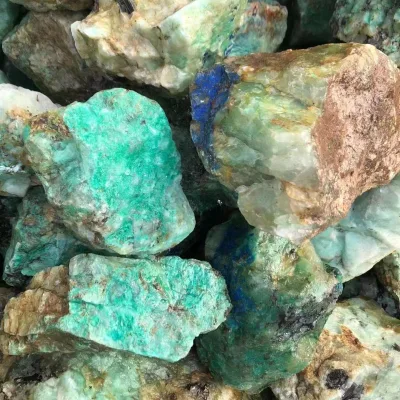
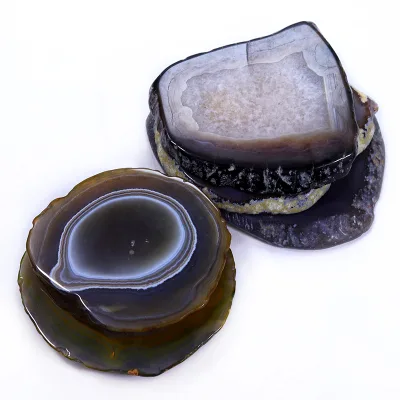
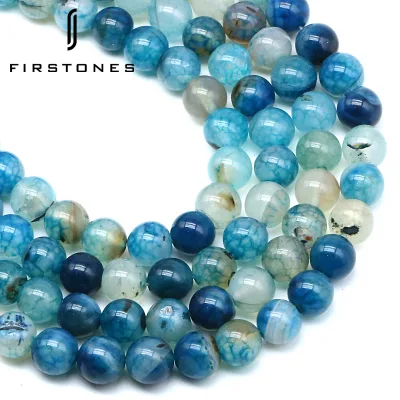
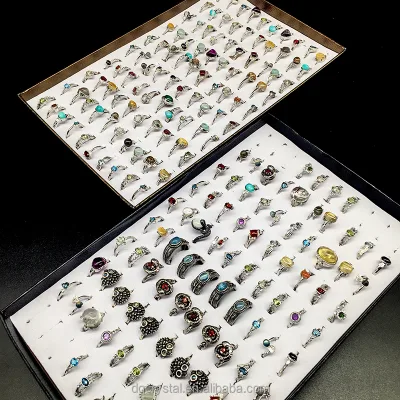
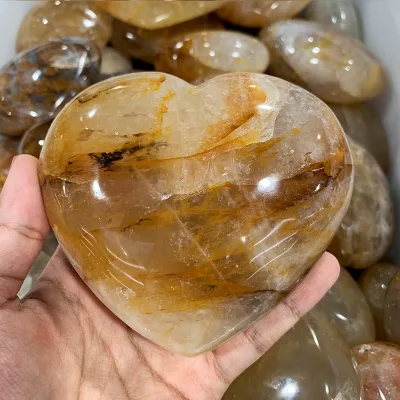
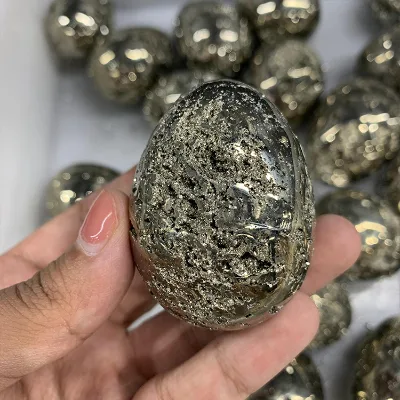
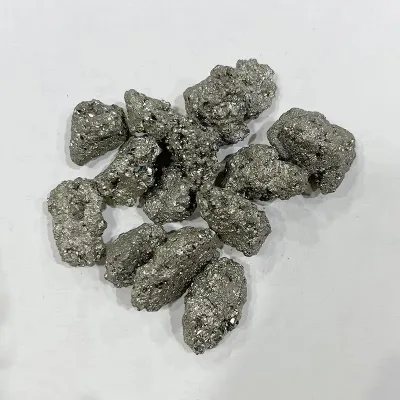
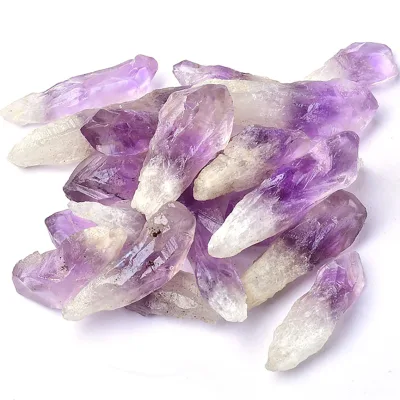
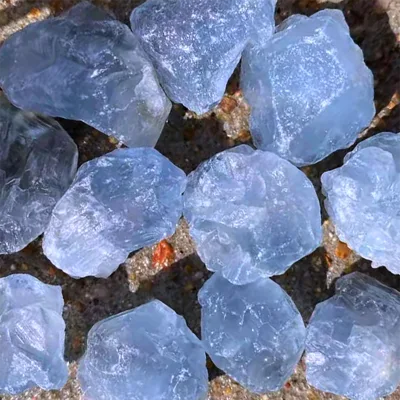
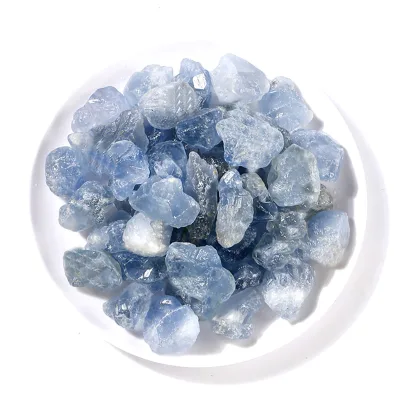
Comprehensive Sourcing Guide
Strategic Sourcing Guide for Natural Golden Pyrite Gemstone Procurement
Navigating the global market for natural golden pyrite gemstones requires a disciplined approach that balances aesthetic appreciation with rigorous technical verification. While the provided product data highlights a diverse catalog of gemstones including sapphire, peridot, amethyst, garnet, and moissanite from specific Chinese origins, the procurement of natural golden pyrite demands a distinct set of evaluation criteria. This guide outlines the essential steps for buyers to identify reliable suppliers, verify material authenticity, and manage supply chain risks without relying on unverified claims or fabricated data. The following sections detail the technical, compliance, and operational factors that define a successful sourcing strategy for this specific mineral.
Technical Specifications and Material Verification
The primary challenge in sourcing natural golden pyrite lies in distinguishing it from treated stones, imitations, or other metallic-looking minerals. Unlike the sapphire or garnet entries in the reference data which specify clear classifications like "Natural Stone" or specific cuts, pyrite requires a focus on its crystalline structure and metallic luster. Buyers must verify that the material is indeed "Natural Pyrite" rather than a synthetic or coated variant. The visual characteristics of golden pyrite include a brassy yellow color and a metallic sheen that can be confused with gold or brass. However, true pyrite possesses a specific hardness and density that differentiates it from softer imitations.
When evaluating product listings, buyers should look for explicit statements regarding the "Gemstone Type" and "Material." In the context of the provided data, entries such as "Natural Peridot" or "Natural Amethyst" demonstrate the level of specificity required. For pyrite, the absence of terms like "Coated," "Plated," or "Synthetic" is a critical initial filter. Furthermore, the "Shape" and "Cut" are vital for application. While the reference data lists "Round," "Pear Shape," and "Oval" cuts for other stones, pyrite is often sold in rough beads, tumbled stones, or cabochons. If the listing specifies a "Cutting" method like "Natural Cut" or "Polished," as seen in the garnet and moissanite examples, it indicates a specific level of processing that affects the final luster. Buyers must confirm that the "Surface Treatment" does not involve chemical coatings designed to enhance the gold color artificially, as this devalues the natural status of the stone.
Compliance, Certification, and Ethical Sourcing
In the gemstone industry, compliance extends beyond simple material verification to include ethical sourcing and environmental standards. The provided data mentions origins such as "Wuzhou, China (Mainland)" and "Wuzhou, China," which are known hubs for gemstone processing. However, the presence of a location does not guarantee compliance with international labor or environmental standards. Buyers must independently verify the "prod_standard" or any referenced certifications. While the data lists standards like "AAAA" or "AAA" for quality grading, these are internal or industry-specific grading terms rather than universal regulatory certifications.
For natural golden pyrite, which is often mined in regions with varying regulatory frameworks, buyers should request documentation regarding the mine of origin. Ethical sourcing guidelines often require proof that the stone was not sourced from conflict zones or areas with poor labor practices. Unlike the "High" grade mentioned for sapphire or "Aaaaa" for moissanite in the reference data, there is no universal ISO standard for pyrite quality that a supplier can automatically claim. Therefore, buyers should treat any "Standard" or "Grade" claim as a supplier assertion that requires third-party verification. If a supplier claims a specific certification, the buyer must ask for the certificate number and verify it with the issuing body. This due diligence is crucial to avoid reputational risk in the B2B market, where end consumers increasingly demand transparency regarding the provenance of their jewelry components.
Cost Drivers and Pricing Dynamics
Understanding the cost structure of natural golden pyrite is essential for budgeting and negotiation. The observed price range in the reference data spans from 0.1 to 600 USD, reflecting the vast difference between low-grade industrial stones and high-quality gemstones. For pyrite, the price is driven by several factors: the clarity of the metallic luster, the size of the crystals, the consistency of the color, and the complexity of the cut. Unlike the "MOQ" values seen in the data, which range from 1 to 1000 pieces, pyrite is often sold in bulk for industrial applications or in smaller lots for jewelry making.
The "Grade" of the stone is a significant cost driver. High-grade pyrite with uniform color and minimal inclusions commands a premium, while lower-grade material with dull luster or visible fractures is priced lower. The "Customization" availability noted in the reference data also impacts cost. If a buyer requires specific sizes, such as the "1.5mm" or "7mm" beads listed for other stones, or custom shapes like the "Pear Shape" or "Oval," the supplier may charge a premium for the additional labor and material waste. Additionally, the "prod_packing" method, ranging from "Soft Pape" to "Standard Export Cartons," influences the final landed cost. Secure, professional packaging is essential to prevent damage during transit, especially for brittle pyrite crystals. Buyers should request detailed cost breakdowns that separate the raw material cost from processing, packaging, and logistics fees to ensure they are paying for the actual value of the stone.
Typical Applications and Market Positioning
Natural golden pyrite is versatile, finding applications in both high-end jewelry and decorative arts. The reference data highlights usage categories such as "Jewelry Setting," "Collection," and "Decoration," which are equally applicable to pyrite. In jewelry, pyrite is often used as an accent stone or as a standalone bead in necklaces, bracelets, and earrings. Its metallic appearance makes it a popular choice for bohemian or vintage-style designs. However, its relative softness compared to stones like sapphire or garnet means it requires careful setting to prevent chipping or scratching.
For collectors, pyrite is valued for its unique crystal formations and metallic sheen. The "Style" attributes in the data, such as "European and American" or "Korean," suggest that pyrite can be adapted to various design aesthetics. Buyers should consider the target market when selecting pyrite. If the end product is intended for the "European and American" market, the design might favor larger, more prominent stones. Conversely, for the "Korean" market, smaller, more delicate pieces might be preferred. The "Type" of product, whether "Beads" or loose stones, also dictates the application. Beads are ideal for stringing, while loose stones are better for setting in metal. Understanding these applications helps buyers specify the correct "Shape," "Size," and "Quality" to meet their clients' expectations.
Supplier Evaluation and Quality Control
Evaluating a supplier for natural golden pyrite requires a multi-faceted approach. The reference data lists "Starsgem" and "Stars Gem" as brand names, indicating that some suppliers operate under specific branding. However, buyers should not rely solely on brand reputation. Instead, they should conduct a comprehensive audit of the supplier's capabilities. Key areas to investigate include the supplier's ability to provide samples, as indicated by the "Samples Avaible" attribute in the data. Requesting physical samples is the most effective way to verify the "Gemstone Color" and "Quality" claims.
Quality control processes are critical for ensuring consistency. Buyers should ask about the supplier's inspection protocols. Do they sort stones by color and size? Do they test for durability and luster? The "Quality" attributes in the data, such as "AA" or "AAA," suggest that suppliers have internal grading systems. Buyers must understand the specific criteria used by the supplier to assign these grades. For pyrite, this might involve checking for surface cracks, color uniformity, and the intensity of the metallic shine. Additionally, the "MOQ" (Minimum Order Quantity) is a key factor in supplier selection. While the data shows MOQs as low as 1 piece or as high as 1000, buyers should negotiate terms that align with their inventory needs. A supplier with a low MOQ offers flexibility, while one with a high MOQ might offer better pricing for large orders.
Long-Term Procurement Considerations
Sourcing natural golden pyrite is not just a one-time transaction but a long-term relationship that requires strategic planning. Buyers should consider the stability of the supply chain, the reliability of the "prod_origin," and the potential for future price fluctuations. The "Wuzhou, China (Mainland)" origin mentioned in the data suggests a concentration of suppliers in a specific region, which can be both an advantage and a risk. Concentration can lead to efficient logistics but also exposes the buyer to regional disruptions.
Long-term procurement also involves managing inventory and demand forecasting. Pyrite is a natural stone, and supply can be inconsistent due to mining conditions. Buyers should build relationships with multiple suppliers to mitigate the risk of stockouts. Furthermore, they should stay informed about market trends and consumer preferences. As the demand for sustainable and ethically sourced materials grows, suppliers who can provide transparent documentation and ethical certifications will become more valuable. Buyers should also consider the "prod_packing" and logistics capabilities of their suppliers to ensure that the stones arrive in perfect condition. Finally, maintaining open communication with suppliers regarding "Customization" requests and "Sample" availability will help buyers adapt to changing market needs and maintain a competitive edge in the B2B sector.
Comparative Analysis of Gemstone Attributes
To assist buyers in making informed decisions, the following table compares key attributes of natural golden pyrite against other gemstones found in the reference data. This comparison highlights the unique requirements for pyrite sourcing.
| Attribute | Natural Golden Pyrite | Sapphire (Ref Data) | Natural Peridot (Ref Data) | Natural Amethyst (Ref Data) |
|---|---|---|---|---|
| Classification | Metallic Mineral / Pyrite | Sapphire | Natural Peridot | Natural Amethyst |
| Gemstone Type | Natural Stone | Natural Stone | Natural Stone | Natural Stone |
| Typical Color | Brassy Yellow / Metallic Gold | Blue | Green | Dark Purple |
| Common Shape | Rough, Bead, Cabochon | Round, Pear, Oval | Pear Shape | Round |
| Quality Grading | Variable (Luster, Clarity) | AA, AAA | AAA | AAAA |
| Hardness | Moderate (6-6.5 Mohs) | High (9 Mohs) | Moderate (6.5-7 Mohs) | Moderate (7 Mohs) |
| Surface Treatment | Polished (Natural) | Polished | Natural Cut | Polished |
| Origin | Global (Verify Specific Mine) | Wuzhou, China | Wuzhou, China | Wuzhou, China |
| MOQ Range | Variable (1-1000+ pcs) | 50 PCS | 10 PCS | 1 PCS |
| Customization | Available | Available | Available | Available |
This table underscores that while pyrite shares some attributes with other gemstones, such as the availability of customization and the presence of quality grades, its physical properties and market positioning are distinct. Buyers must tailor their sourcing strategy to account for these differences, particularly regarding hardness and color stability. By focusing on these specific attributes, buyers can ensure they source high-quality natural golden pyrite that meets their technical and aesthetic requirements.
FAQs
How can I verify natural golden pyrite is not coated or synthetic?
Verify natural golden pyrite by checking for explicit 'Natural Stone' classification and absence of terms like 'Coated' or 'Plated'. Unlike treated stones, authentic pyrite displays a brassy yellow metallic luster without chemical enhancement, requiring physical sample inspection to confirm crystalline structure and hardness.
What quality grades are available for natural gemstone beads?
Available quality grades include AA, AAA, AAAA, and Aaaaa depending on the specific gemstone type and supplier. These internal grading systems reflect clarity, color uniformity, and luster intensity, so buyers must request detailed criteria to understand how a supplier assigns these specific quality levels to their inventory.
Which shapes and sizes are common for natural gemstone beads?
Common shapes include Round, Pear Shape, and Oval, with sizes ranging from 1.5mm to 8.5mm or custom dimensions like 5X7mm. Buyers should specify exact dimensions such as 7mm or 7X9mm to ensure the stones fit their intended jewelry setting or collection requirements effectively.
Can suppliers provide samples for natural gemstone verification?
Yes, many suppliers offer samples to verify gemstone color and quality before bulk ordering. This allows buyers to inspect the natural stone's luster and cut, ensuring the product matches the 'Natural' classification and meets specific aesthetic standards before committing to a larger purchase order.
How does customization affect the minimum order quantity for stones?
Customization availability often influences the minimum order quantity, which can range from 1 piece to 1000 pieces depending on the supplier. Specific requests for unique shapes, sizes, or cuts may require higher MOQs to cover processing costs, while standard items often have lower entry thresholds for buyers.
What packaging options are available for exporting natural gemstones?
Packaging options range from Soft Paper and Sponge Paper to Standard Export Cartons or custom customer requests. Secure packaging is essential to prevent damage during transit, especially for brittle stones, and buyers should confirm the packing method to ensure the natural stones arrive in pristine condition.
Where are natural gemstone suppliers typically located in China?
Suppliers are frequently located in Wuzhou, China (Mainland), a known hub for gemstone processing and trading. While the origin indicates a processing center, buyers must independently verify the mine of origin and ethical sourcing practices to ensure the stones meet international compliance and labor standards.